Cart
0
Difference Between CVD Lab-Grown Diamonds and HPHT Lab-Grown Diamonds
Introduction
Lab-grown diamonds have become increasingly popular in the jewelry industry due to their ethical sourcing, environmental advantages, and competitive pricing compared to natural diamonds. These diamonds are not imitations; they possess the same chemical composition, crystal structure, and physical properties as natural diamonds. The primary difference lies in how they are created.
Two main technologies are used to produce lab-grown diamonds: CVD (Chemical Vapor Deposition) and HPHT (High Pressure High Temperature). Both methods replicate the natural diamond formation process in different ways. Understanding the difference between these two methods helps consumers and jewelers make informed decisions when selecting lab-grown diamonds.
What Are CVD Lab-Grown Diamonds?
CVD, or Chemical Vapor Deposition, is a modern and highly controlled method used to grow diamonds in a laboratory environment.
In this process, a thin slice of diamond known as a seed crystal is placed inside a vacuum chamber. The chamber is then filled with carbon-rich gases such as methane and hydrogen. When these gases are heated to very high temperatures, they break down and release carbon atoms. These carbon atoms gradually deposit onto the diamond seed layer by layer, allowing the diamond crystal to grow over time.
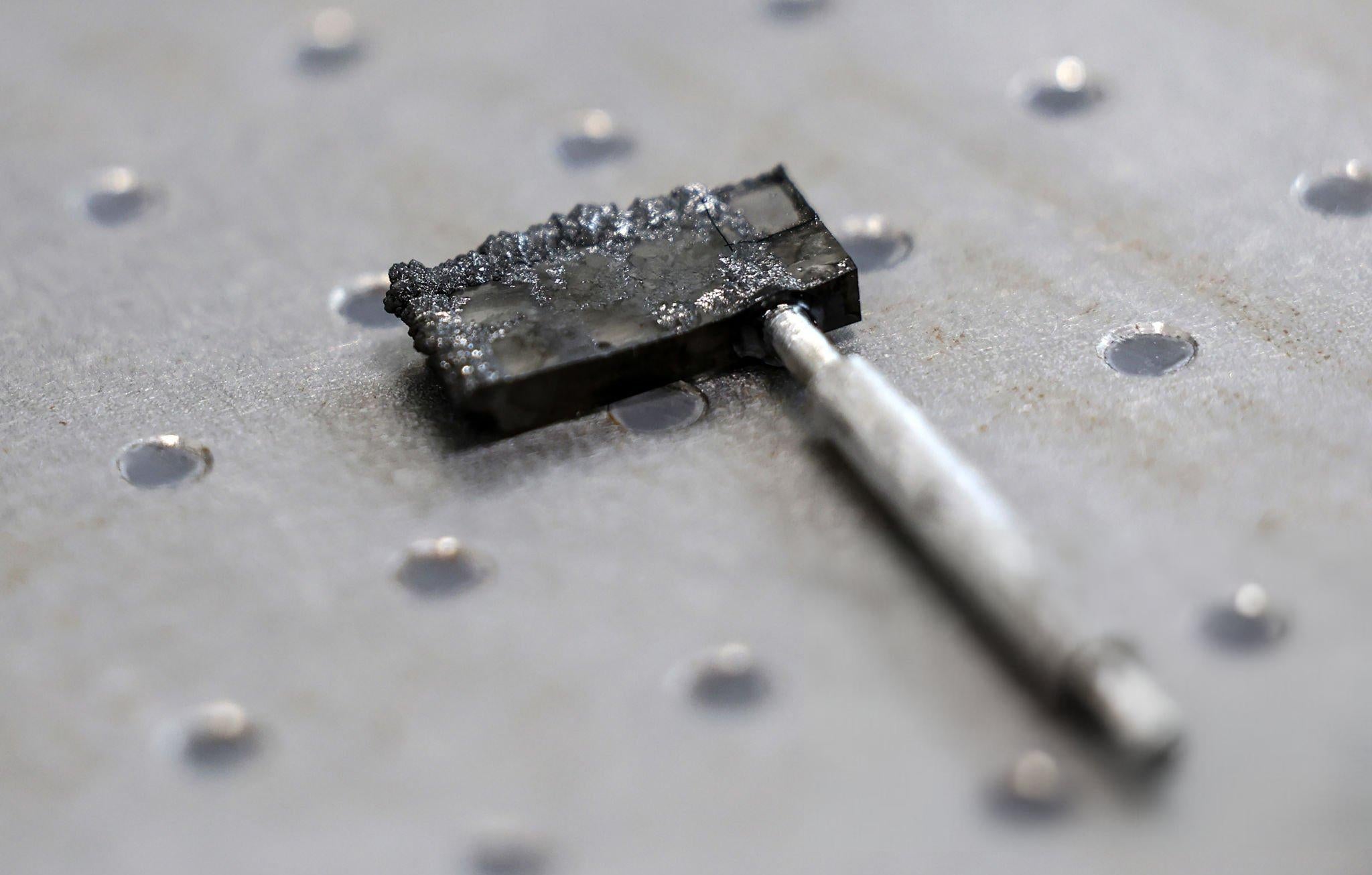
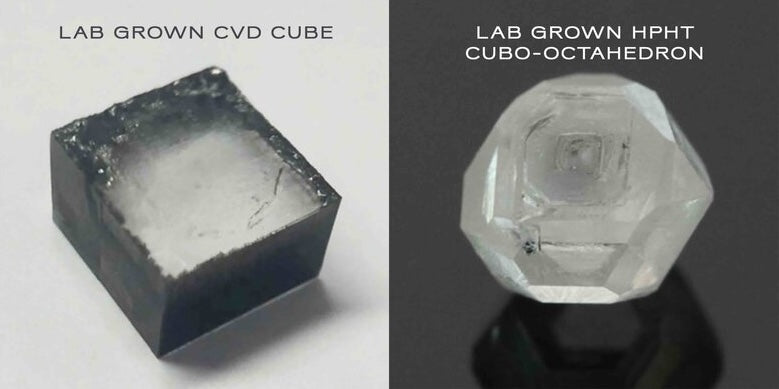
CVD diamonds typically grow in flat, plate-like structures and are known for their high clarity and quality. Because the process is highly controlled, manufacturers can carefully manage the growth conditions to produce diamonds suitable for jewelry applications.
What Are HPHT Lab-Grown Diamonds?
HPHT stands for High Pressure High Temperature, a method that mimics the natural conditions under which diamonds form deep within the Earth's mantle.
In the HPHT process, a small diamond seed is placed in a chamber with carbon and a metal catalyst. The chamber is then subjected to extremely high pressure and temperatures exceeding 1300°C. Under these intense conditions, the carbon melts and begins to crystallize around the diamond seed, forming a new diamond crystal.
HPHT diamonds often grow in cubical or octahedral shapes and sometimes contain metallic inclusions due to the catalysts used during the growth process. This technology was the first successful method developed for producing lab-grown diamonds.
Key Differences Between CVD and HPHT Diamonds
While both methods produce real diamonds, their growth environments and characteristics differ.
Growth Method
CVD diamonds are grown through a chemical process in a vacuum chamber, whereas HPHT diamonds are created using extreme pressure and temperature conditions similar to those found in the Earth's interior.Crystal Growth Shape
CVD diamonds typically grow in flat, layered crystal forms, while HPHT diamonds tend to grow in cubical or octahedral crystal structures.Production Process
CVD technology allows more controlled growth and is widely used in modern diamond manufacturing. HPHT requires heavy machinery capable of generating extreme pressure and heat.Inclusions
CVD diamonds usually contain fewer metallic inclusions, while HPHT diamonds may contain small traces of metal from the catalysts used during the growth process.Color Characteristics
HPHT diamonds are sometimes used to produce fancy-colored diamonds such as yellow, while CVD diamonds are often refined to achieve high color grades suitable for jewelry.
Are Both Types Real Diamonds?
Yes. Both CVD and HPHT diamonds are real diamonds. They have the same hardness, brilliance, and durability as natural diamonds because they are made of pure carbon arranged in a diamond crystal structure.
Gemological laboratories such as the Gemological Institute of America (GIA) and the International Gemological Institute (IGI) certify both types of lab-grown diamonds.
Final Thoughts
CVD and HPHT are the two primary technologies used to create lab-grown diamonds. While their production methods differ, both result in genuine diamonds that are visually and chemically identical to natural diamonds.
CVD diamonds are produced through a controlled chemical process that builds the diamond layer by layer, making them widely used in modern jewelry manufacturing. HPHT diamonds, on the other hand, are created by replicating the intense pressure and temperature conditions found deep within the Earth.
Ultimately, both methods produce high-quality diamonds suitable for fine jewelry. When choosing between them, the most important factors remain the traditional diamond quality criteria—cut, color, clarity, and carat weight—rather than the growth method itself.